The solution
Rather than applying a one-size-fits-all solution, the CFH team focused resources on rapidly assessing the situation and configuring a bespoke approach. Aligned to the Trust’s requirements, priorities and timescales, the solution proposed - CFH Transform - represented a digital-first, multichannel communications framework.
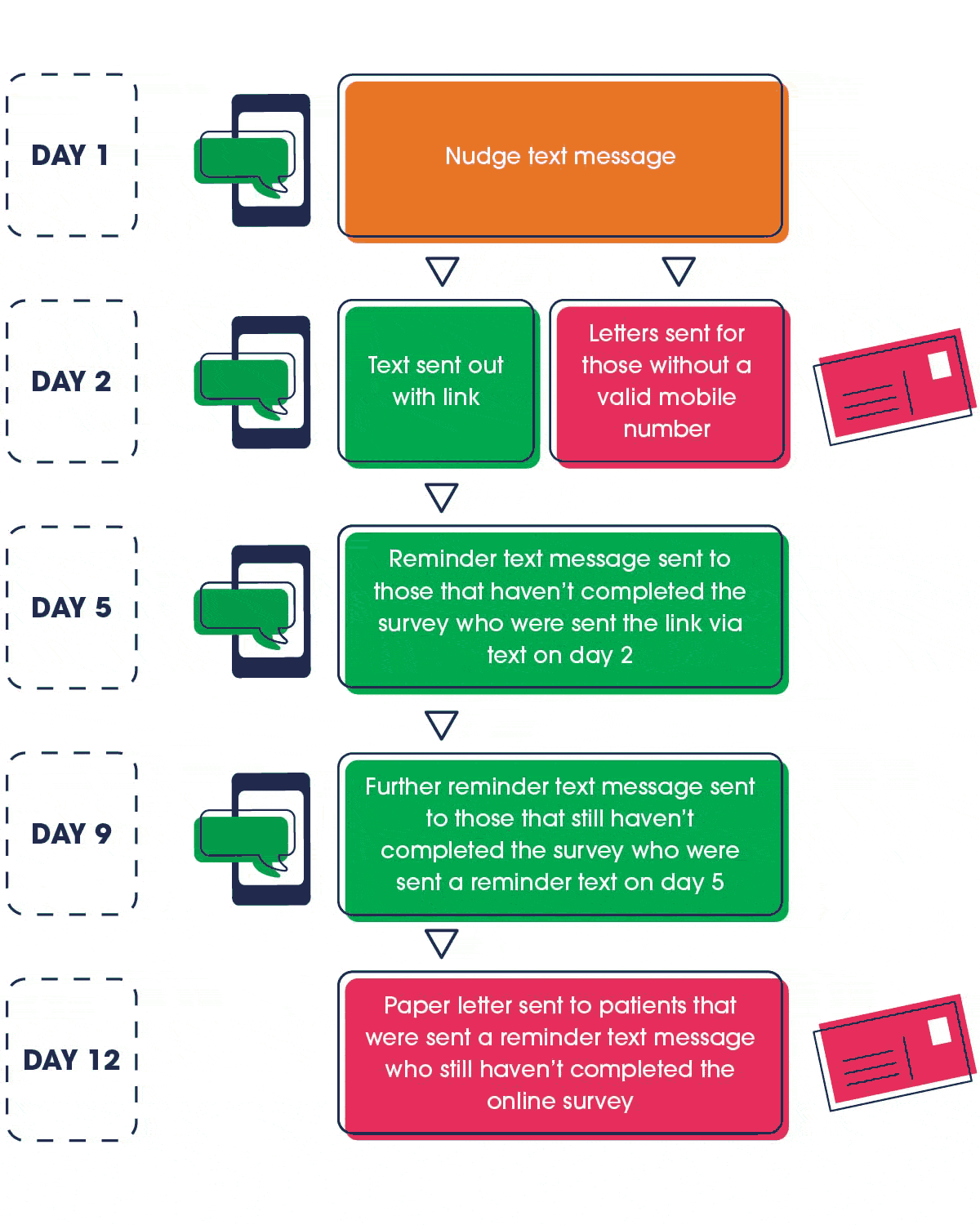
In simple terms, Transform helps Trusts communicate with patients more efficiently by automatically sending the right messages, through the right channels, at the right time. Designed to automate and manage complex communication journeys through a structured logic-driven workflow, a digital transformation solution was developed specifically for Worcestershire NHS Trust based on their requirements.
A dedicated CFH project management team was assigned at an early stage to support implementation, while the Worcestershire team were provided with regular catch-up sessions and structured meetings to monitor progress, address queries and surface any concerns in a timely way.
For Worcestershire, the overarching aim was to deliver a more effective and auditable approach to patient waiting list validation. The Trust sought to improve patient engagement and data accuracy, reduce manual effort for staff, and establish a transparent, controlled communications process that met both procurement and operational objectives.
Combining both physical and digital channels was essential, ensuring there would be an adequate way to reach individuals who are digitally disconnected or simply prefer the format of printed correspondence.
The approach proposed by CFH centred on a configurable framework, allowing workflows to be shaped around the Trust’s specific priorities, patient cohorts and available resources. This was designed to use data to trigger the right channel. Digital channels would be prioritised to maximise speed, efficiency and response rates, with SMS used as the primary contact method and structured follow-ups built into the journey.
The process
With tight internal and external deadlines to meet the Trust’s go-live requirements, the setup was accelerated and some testing phases were condensed. As a result, a small number of minor technical issues were identified early but resolved quickly through close collaboration - an approach recognised by both procurement and operational teams.
At this stage of implementation, regular weekly meetings maintained momentum and ensured clear visibility of progress for all stakeholders. During critical stages, additional sessions were arranged as needed.
Workflow communications were designed to be simple, accessible and easy for patients to respond to. Messaging was kept concise, using personalised survey links, QR codes and shortened ‘tiny URLs’ to reduce friction and support quick responses. Pre-populated patient details were included where appropriate to minimise the risk of error, improving both the patient experience and the quality of data returned to the Trust.
This approach was backed by CFH’s extensive history supporting NHS Trusts and health organisations at scale, with the organisation having delivered patient communications across acute, Foundation and University Trusts as well as primary care and public health programmes. Through direct and third-party integrations, CFH supports over 40 NHS Trusts, delivering around 25 million letters overall.
Drawing on this experience, CFH ensured Worcestershire’s patient validation workflow was fully auditable, giving the Trust clear visibility of what was sent, when it was sent, and why. This strengthened governance, improved reconciliation between activity and billing - addressing a key concern for the team.
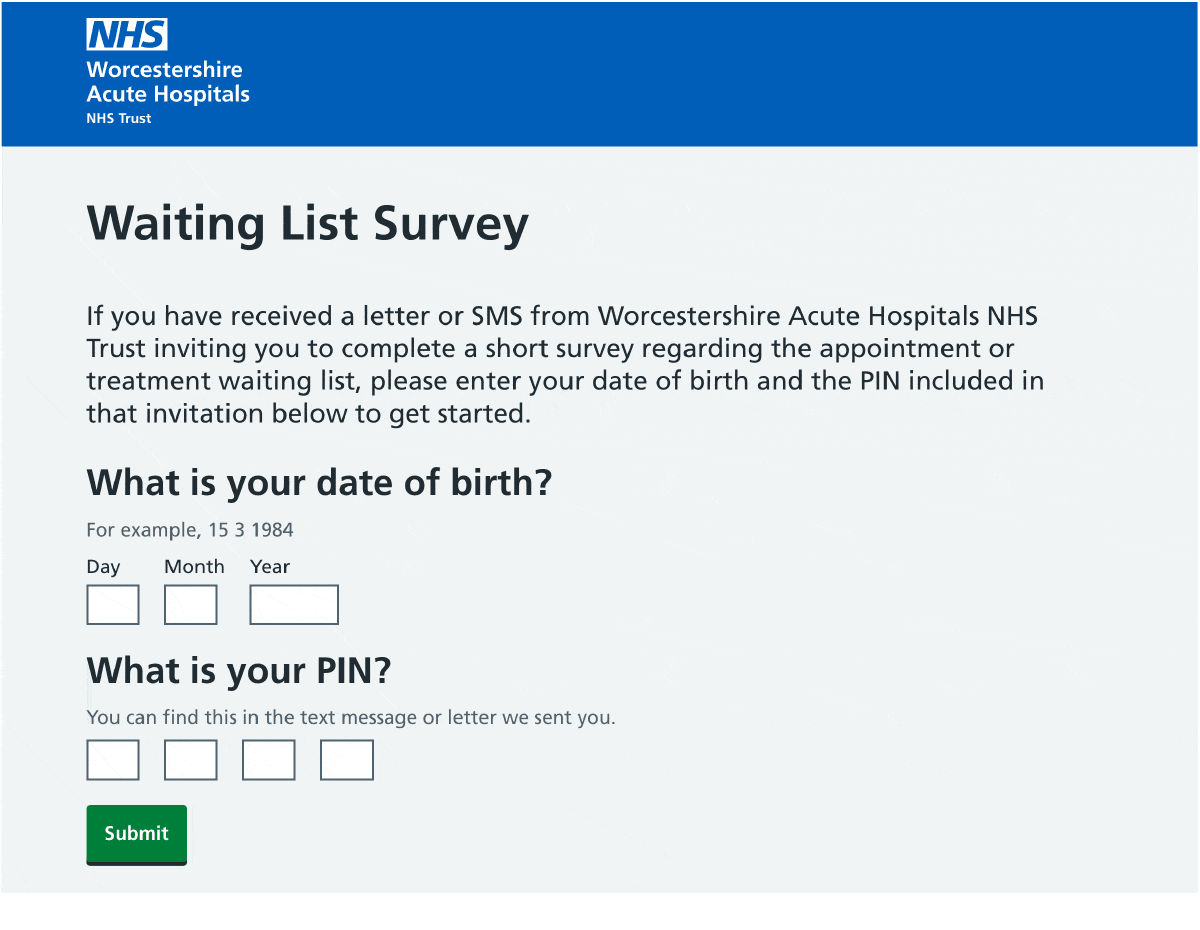
In practice, this meant that patient responses were captured and managed through a controlled, consistent process. Patients accessing the digital route were directed to a secure survey portal, where they confirmed key demographic details and indicated whether they still wished to remain on the waiting list.
For patients responding by post, Trust booking teams were able to capture responses on the patient’s behalf via a dedicated electronic survey interface, ensuring all outcomes were recorded consistently within the same system.
Survey responses were then consolidated into a structured data feed and securely transferred to CFH each day, enabling accurate reporting, auditability and ongoing monitoring of patient status.
Open, effective communication was central to the working relationship. Wherever possible, verbal communication was prioritised over email, allowing challenges and dependencies to be addressed quickly and reducing the risk of delays or misunderstandings.
Proactive recommendations on content, layout and delivery - informed by patient engagement insights - were implemented quickly. Together, this collaborative, flexible approach provided a stable foundation from which the Trust could begin to realise measurable outcomes.